How to Write a CV That Gets Interviews in 2025
Your CV has one job: to win you an interview, not to tell your life story. European recruiters spend seconds on a first pass, so clarity and relevance beat length every time.
Start with the essentials
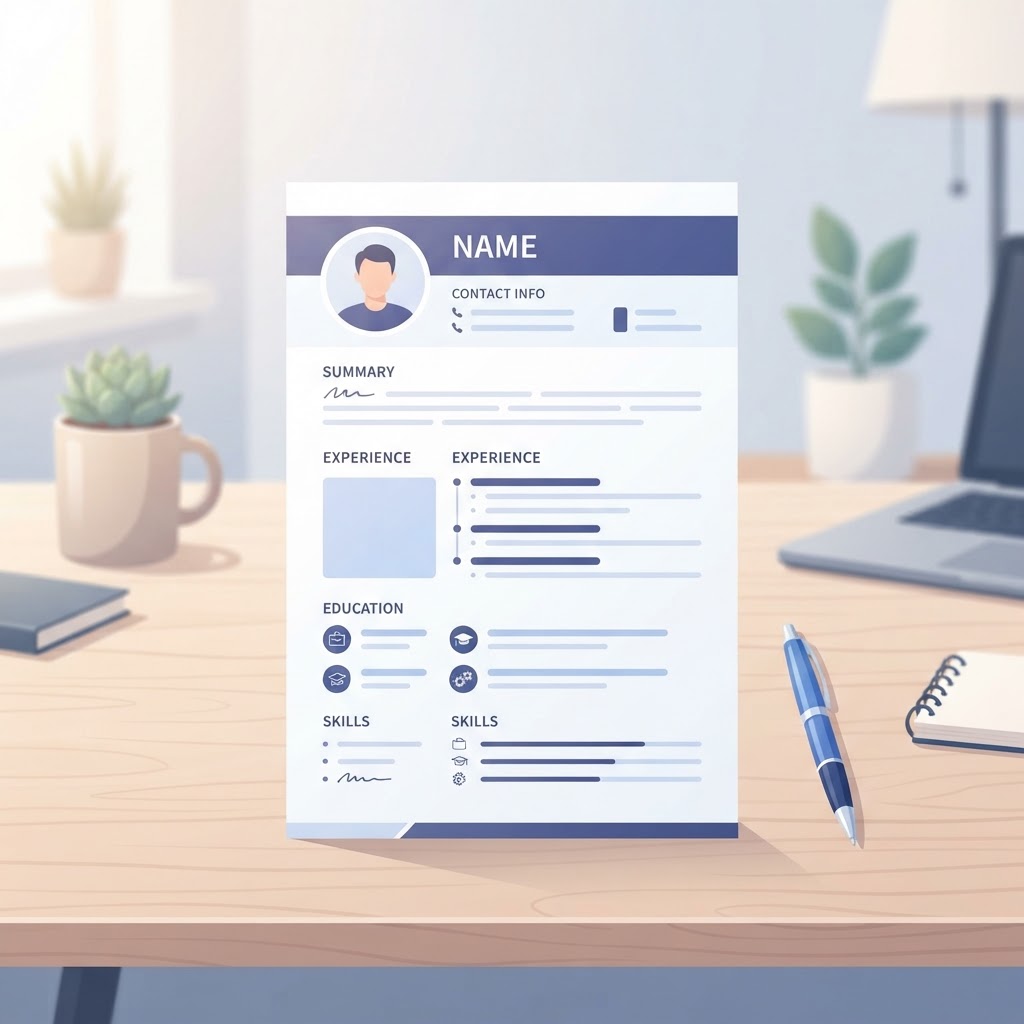
A European CV typically includes: contact details, a short professional summary, work experience, education, skills, and (optionally) languages. A photo is common in DACH countries but unnecessary in the UK and Nordics — check local norms.
Write a sharp summary
Three or four lines: who you are, your strongest relevant achievement, and what you're targeting. Tailor it to each role.
Make experience scannable
For each role, lead with the job title, company, and dates. Then use 3-5 bullet points starting with strong verbs and quantified results — "increased conversion by 18%", "managed a team of 6". Numbers create credibility.
Keep it focused
- One page for early careers, two pages for experienced professionals.
- Reverse-chronological order is safest and most expected.
- Remove anything older than ~10-15 years unless it's directly relevant.
Skills and keywords
Mirror the job description's keywords naturally — many European employers use applicant tracking systems (ATS) that filter by keyword match. See our ATS-friendly CV guide.
Clean formatting
- Consistent fonts and spacing.
- Clear section headers.
- Save and send as PDF unless another format is requested.
Tailor every time
A generic CV underperforms. Spend 10 minutes per application aligning your summary, top bullets, and keywords to the role.
Key takeaways
- Lead with a tailored summary and quantified achievements.
- Keep it one to two pages, clean, and ATS-friendly.
- Tailor for every application.


